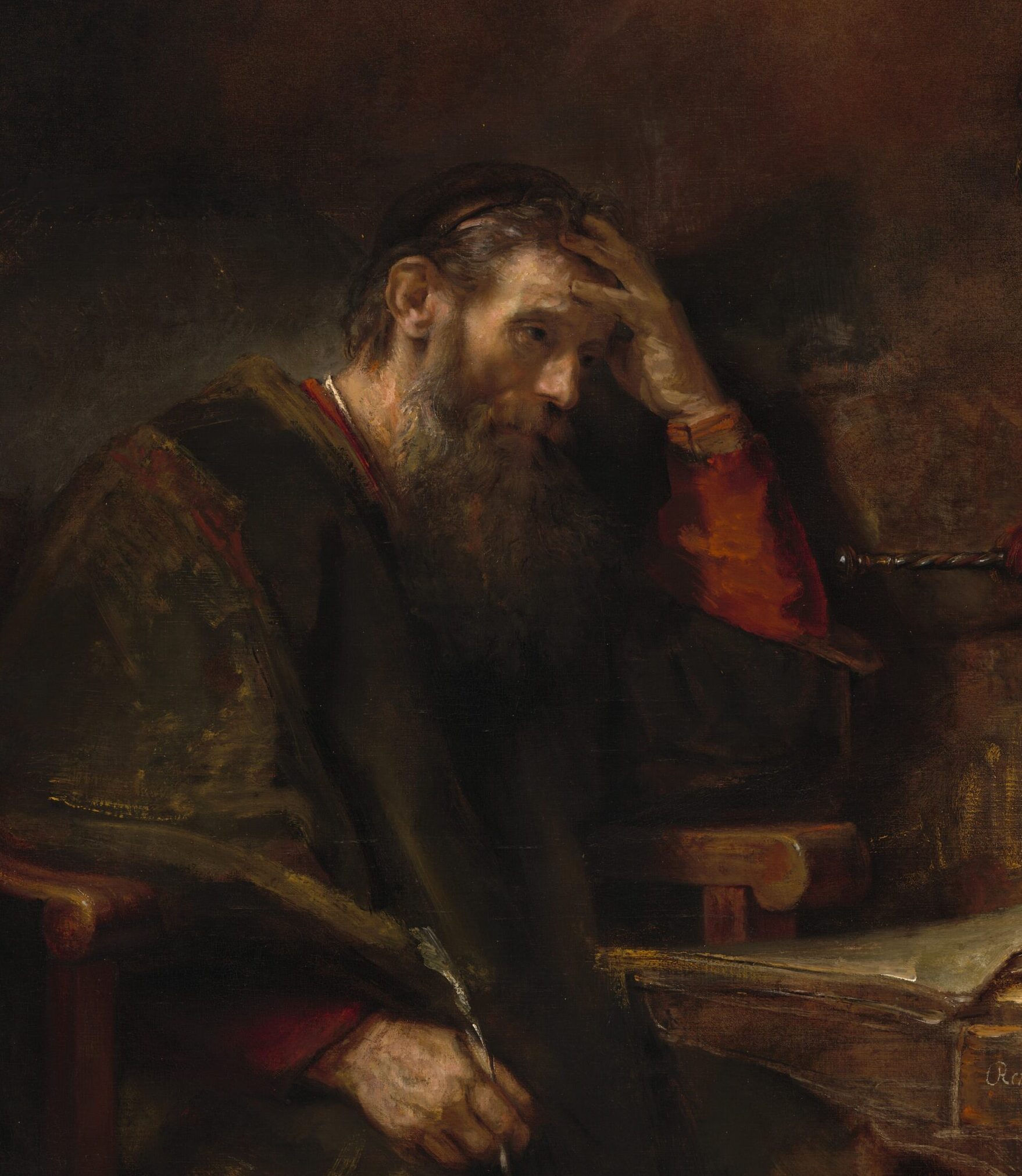
Human beings have always searched for meaning, truth and a way to understand the world. The idea of God belongs to that long human search. Among the figures who changed the course of that search, Saint Paul of Tarsus holds a remarkable place.
Born in Tarsus and remembered as one of the most influential names in Christian history, Paul was not one of Jesus’ original companions. He never met Jesus in person. Yet his writings, travels and interpretation of faith helped shape Christianity into a religion that could move beyond its early local setting and speak to the wider Roman world.
His life was full of sharp turns, inner conflicts and historical consequences. In many ways, the story of Paul is also the story of how a small and fragile belief became a religion with a global future.
From Saul of Tarsus to Paul
Paul’s original name was Saul. He was born in Tarsus, in the Roman province of Cilicia, around the beginning of the first century CE. He came from a Jewish family connected to the Pharisaic tradition, a strict religious movement deeply attached to the law and traditions of Judaism.
This background matters. Saul was not an outsider looking at Judaism from a distance. He knew its texts, its rules and its intellectual world from within. He was also a Roman citizen, raised in a Hellenized city of Anatolia where Greek language and culture were part of everyday life.
That combination would later become decisive: Jewish religious knowledge, Roman citizenship and a Hellenistic cultural environment. Paul stood at the crossing point of several worlds.
In the first part of his life, Saul was strongly opposed to the followers of Jesus. He saw the early Christian movement as a threat and acted harshly against it. The man who would later become Christianity’s most determined missionary first appeared as one of its enemies.
The Road to Damascus
The turning point came on the road to Damascus.
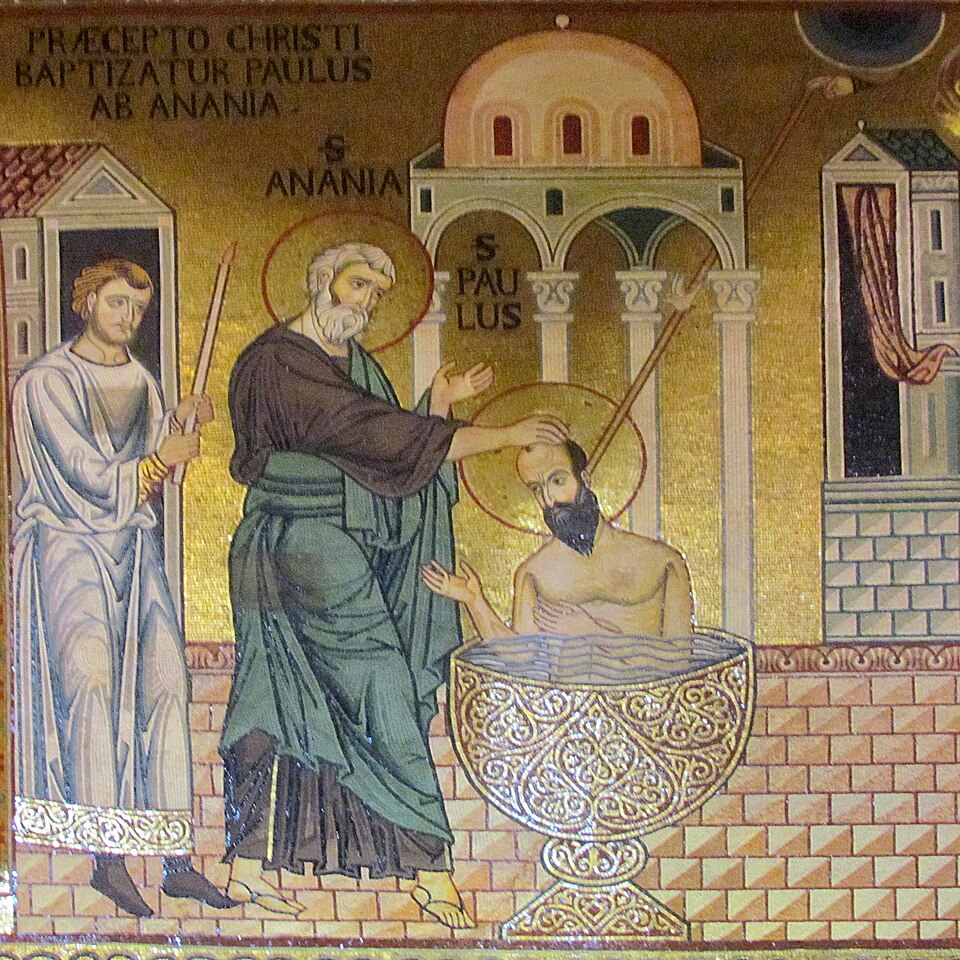
According to the traditional account, Saul was traveling from Jerusalem to Damascus when he and his companions were struck by a blinding light. From that light, Jesus spoke to him and asked why Saul was persecuting him. Saul was left blind and was taken into the city, where he remained for three days without eating or drinking.
In Damascus, a follower of Jesus named Ananias came to him. Ananias healed Saul’s blindness and baptized him. After this moment, Saul’s life changed completely. He became Paul, and the energy he had once used against the followers of Jesus was now directed toward spreading their message.
Whether we read this story literally or symbolically, its meaning is clear. Blindness and restored sight form a powerful image of spiritual transformation. Paul does not simply change his opinion. He begins to see the world differently.
For him, this was no longer a matter of debate. It became a calling.
Paul and the Roman World
Paul’s mission unfolded across the Roman world.
The Roman Empire had created one of the greatest networks of roads, ports and cities in ancient history. It secured trade routes, connected distant regions and allowed people, goods and ideas to circulate across the Mediterranean. Paul used this world with remarkable skill.
His journeys reached cities such as Perge, Ephesus, Thessalonica, Philippi and Corinth. His letters moved along the same routes. In this sense, Paul’s message did not spread in an empty space. It moved through Roman infrastructure, Hellenistic cities and urban communities already connected to one another.
Paul was a gifted speaker and writer. His letters were not cold theological documents. They carried anger, affection, disappointment, urgency and hope. He could adapt his tone according to the community he addressed. He knew how to speak to different cities, different cultures and different social groups.
This ability made him more than a missionary. He was also a communicator who understood the emotional and social texture of his audience.
Letters, Cities and a New Religious Language
Paul’s letters are central to understanding his influence. Through them, he gave early Christianity a language that could travel.
He wrote to communities struggling with belief, discipline, identity and belonging. He tried to explain what the message of Christ meant for people who were not part of the original Jewish world of Jesus. This was one of the great historical shifts.
Paul’s Christianity could speak to Jews and non-Jews, to people in Anatolia, Greece and Rome, to the poor, the enslaved and those pushed aside by the social order. He presented a message in which spiritual belonging was not limited by birth, status or ethnic tradition.
This was powerful. In a hierarchical Roman society, Paul’s message opened a different kind of dignity. The slave and the master, the poor and the powerful, the insider and the outsider could now be imagined within the same spiritual horizon.
That was not only a religious claim. It was also a social imagination.
Paul, James and the Question of Tradition
One of the important tensions in Paul’s life was his difference with James the Just, the brother of Jesus.
James the Just represented a form of early Christianity more closely tied to Jewish tradition. He led the Jerusalem community after the crucifixion of Jesus and remained connected to the older religious framework. Paul, on the other hand, pushed the message of Jesus toward a wider and more universal interpretation.
This difference was not small. It touched the basic question of what Christianity would become.
Would it remain mainly within the boundaries of Jewish tradition? Or would it open itself to the broader Hellenistic and Roman world?
Paul defended the second path. For example, he argued that non-Jewish believers did not need to adopt all traditional Jewish practices, including circumcision. He ate with Gentiles and insisted that the message of Christ was not limited to one people or one inherited identity.
For James and those closer to the Jerusalem tradition, such changes were difficult to accept. For Paul, they were necessary.
Anatolia, Hellenism and the Making of Christianity
The Hellenized culture of Anatolia played an important role in this transformation.
Anatolia was not simply a background to Paul’s story. It was one of the cultural bridges through which early Christianity could become more flexible, more communicable and more open to the wider Mediterranean world.
Paul’s own formation reflects this. He was Jewish by religious background, Roman by citizenship and Hellenistic by cultural environment. This made him unusually capable of translating a religious message across cultural borders.
Christianity, as we know it today, did not emerge from a single cause. Rome’s violence, Paul’s vision and the Hellenized world of Anatolia all played important roles. The destruction and pressure faced by Jewish communities under Rome created a harsh historical setting. Paul’s interpretation gave the message a new direction. The Greek-speaking world gave it a language in which it could travel.
This is why Paul cannot be understood only as a religious figure. He also belongs to the history of cities, roads, empires and cultural translation.
A Route Across the Mediterranean
Paul’s missionary life took him across a vast geography.
Starting from Tarsus and moving through places such as Antioch, Perge, Pamphylia, Pisidia, Lycia, Phrygia, Galatia, Cilicia and Ephesus, his route continued through Syria, Cyprus, Macedonia and Greece. For years, he traveled almost continuously.
He visited synagogues, entered homes, formed small communities and reached people who were searching, uncertain or socially vulnerable. His message found an audience especially among those who did not fully belong to the established order.
In the long run, these small communities mattered. What began as fragile networks of belief gradually became stronger. By the end of the second century, Christianity had taken on a far more systematic form.
A Visit to the Basilica of Saint Paul in Rome
Paul’s story ends in Rome, where he is traditionally believed to have been executed during the reign of Nero around the mid-first century.
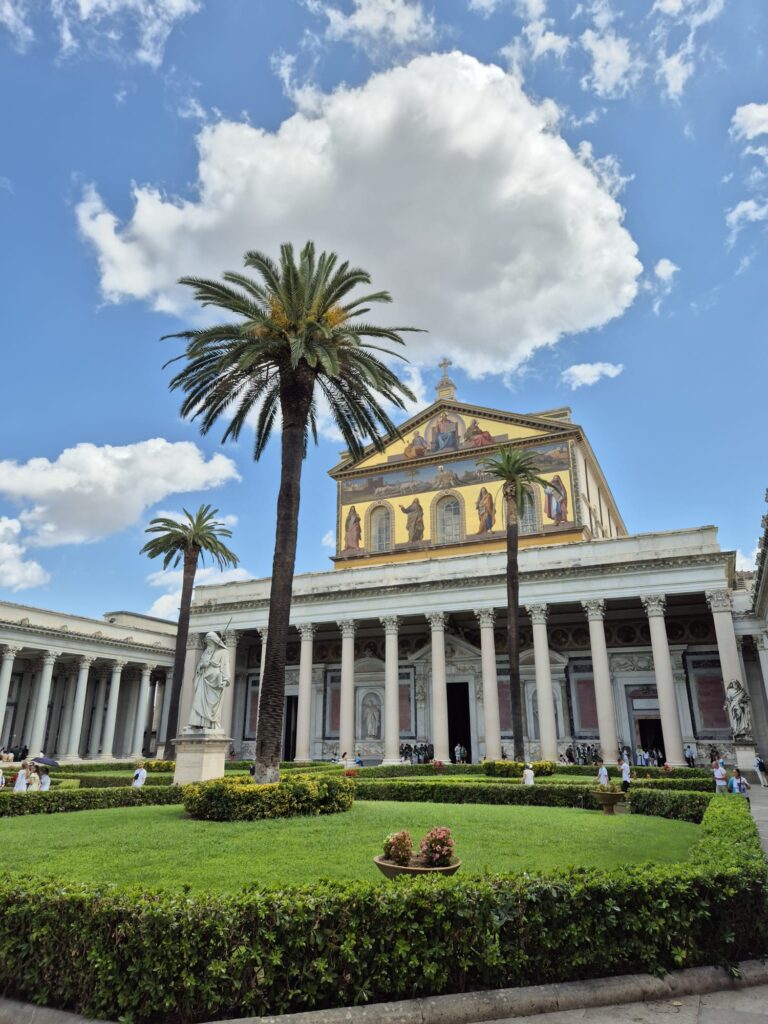
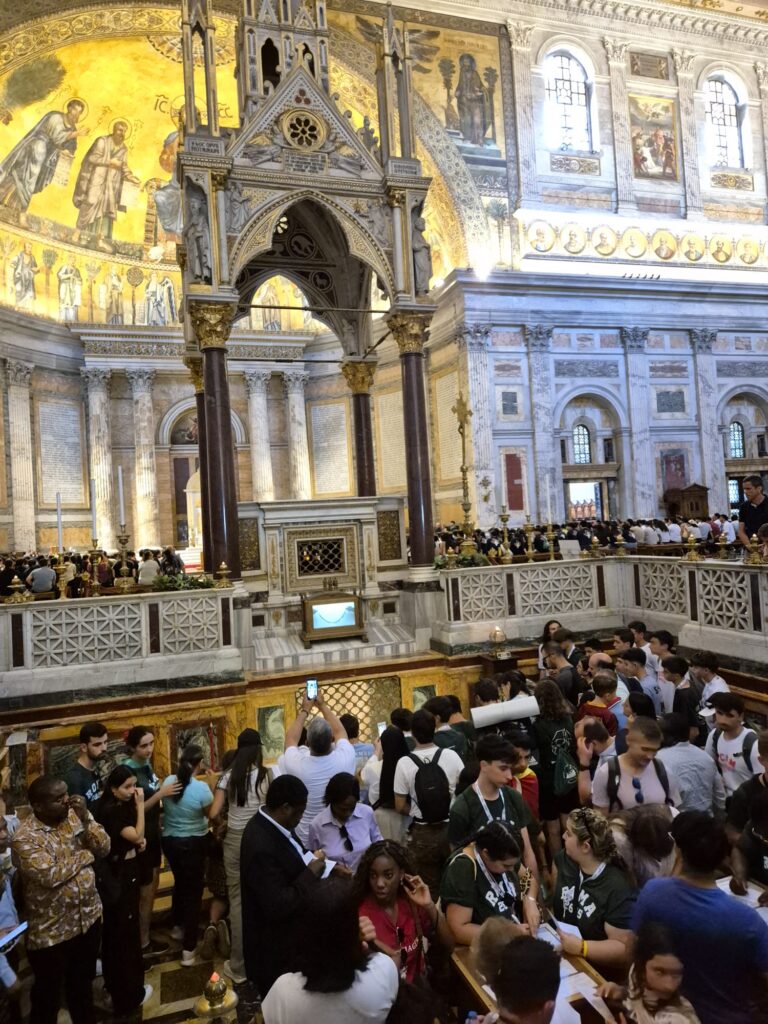
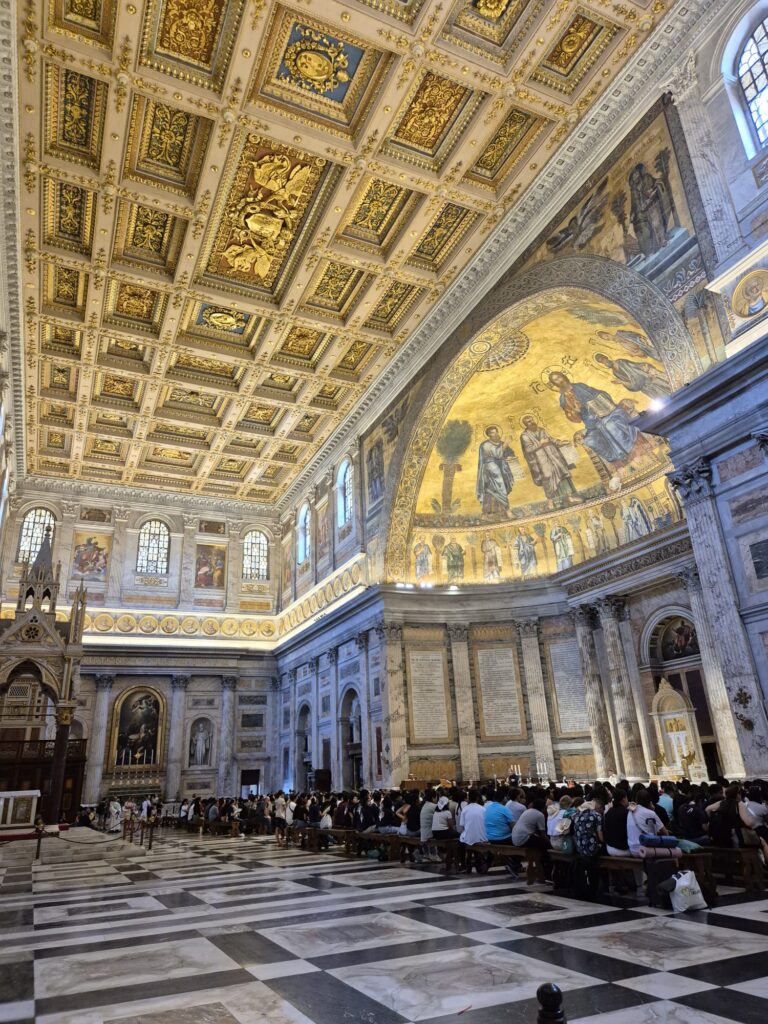
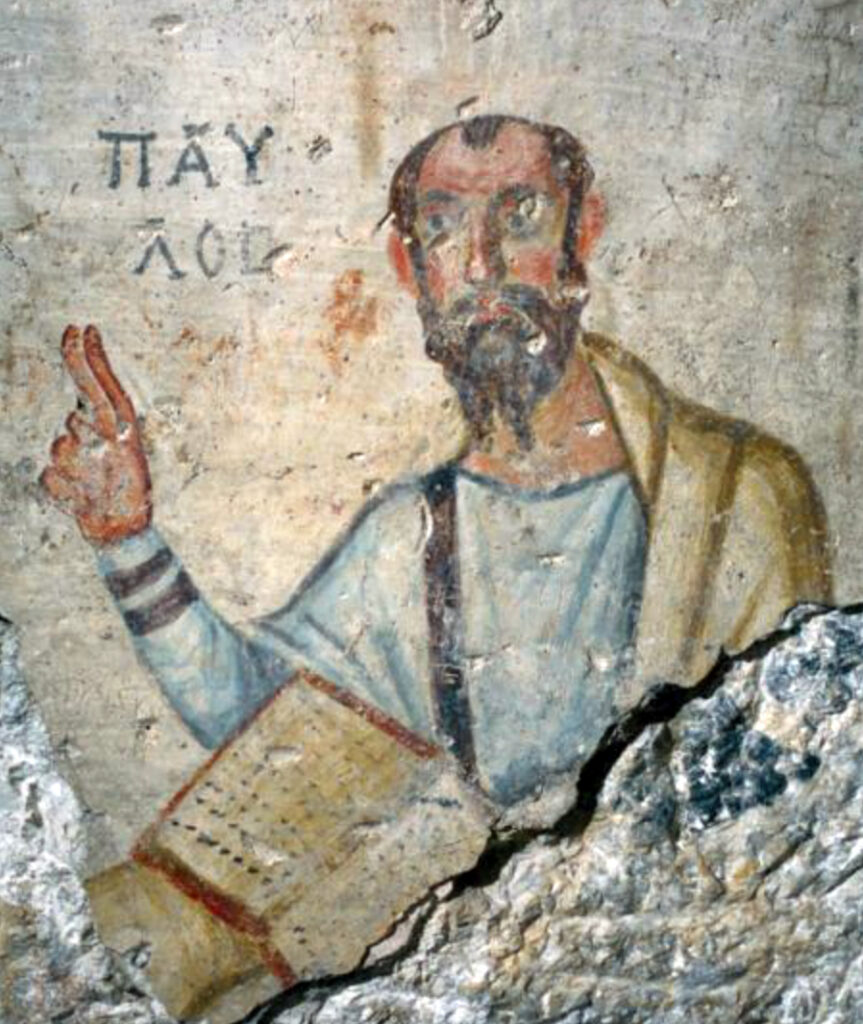
His tomb is today associated with the Basilica of Saint Paul Outside the Walls, one of the four major papal basilicas of Rome. I visited the basilica in 2025, and it is an impressive place. At the entrance, Paul is often represented with a sword. The sword refers both to his martyrdom and to the word of God, which he carried with determination.
Standing there, one feels the long distance between Tarsus and Rome, between a young Saul shaped by strict tradition and the Paul remembered as one of the great builders of Christianity.
Why Paul Still Matters
Paul deserves to be remembered as one of the most important figures in Christian history.
He was not merely a follower. He was a builder, interpreter and carrier of a message. He helped move Christianity from a small community into the vast world of the Roman Empire. He gave it language, direction and a missionary energy that would shape centuries to come.
His life also reminds us that history is often changed by people who stand between worlds. Paul stood between Judaism and Christianity, Anatolia and Rome, tradition and universality, personal transformation and historical movement.
That is why Saint Paul of Tarsus remains more than a religious figure. He is one of the people through whom the ancient world turned toward a new future.
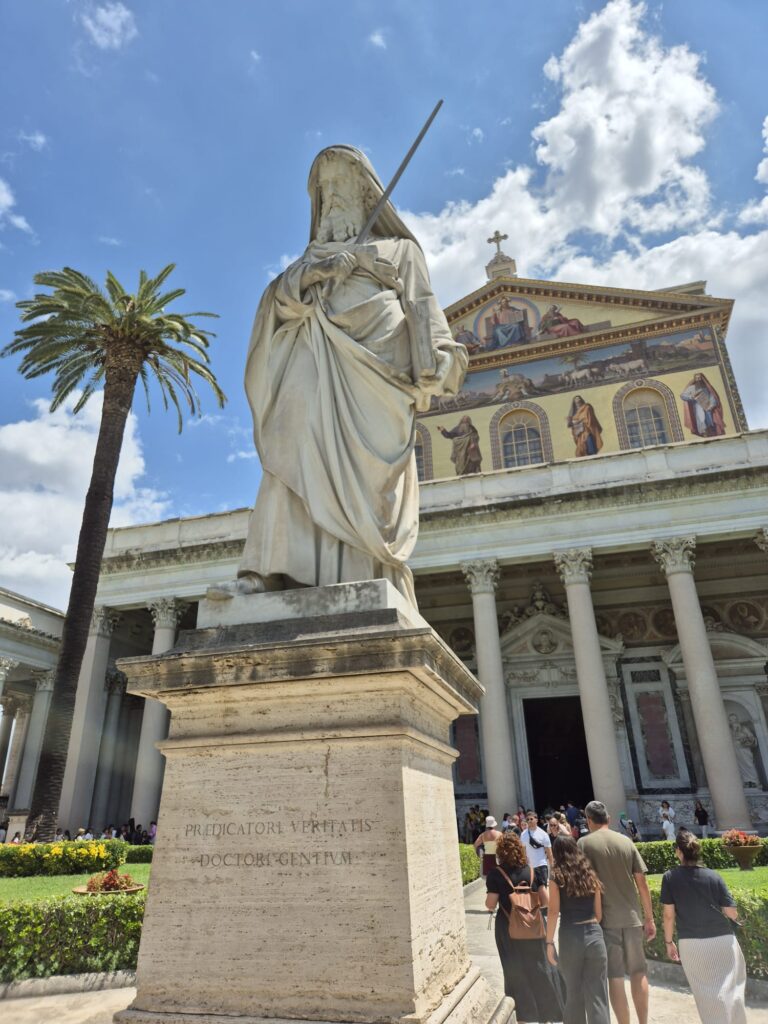
Photos: Basilica of Saint Paul outside the walls in Rome, Author’s Archive.